
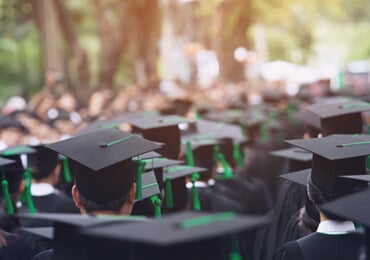





Graduation ceremonies may only last a few hours for guests, but behind the scenes, the day itself is often a full-scale operational event.
Before the first family arrives, teams are already setting up stages, testing microphones, organizing regalia, managing parking flow, coordinating vendors, and preparing students backstage.
Then, once the ceremony begins, the timeline shifts again — processions, speeches, diploma handoffs, photography, crowd movement, accessibility support, and post-event breakdown all need to happen smoothly and in sequence.
What makes graduation challenging is not one major task.
It is the coordination of hundreds of small moments happening at the right time.
This guide walks through a realistic graduation day timeline from early-morning setup through the final student walk, helping schools better understand what actually happens throughout the day and where timing issues most commonly appear.
6–8 Hours Before Ceremony: Venue Access and Initial Setup
Graduation day usually begins long before students or families arrive.
Depending on the venue size and complexity, setup crews may begin work 6–8 hours before the ceremony starts.
This phase often includes:
- ✔ Stage construction and inspection.
- ✔ Podium placement.
- ✔ Chair setup.
- ✔ Signage installation.
- ✔ Accessibility seating preparation.
- ✔ Vendor unloading.
- ✔ AV equipment setup.
- ✔ Livestream preparation.
- ✔ Decoration installation.
- ✔ Parking and traffic signage placement.
This is also when venue walkthroughs should happen to confirm:
- ✔ Emergency exits.
- ✔ Backstage flow.
- ✔ Student lineup areas.
- ✔ Power access.
- ✔ Vendor staging zones.
The earlier setup begins, the more time teams have to solve unexpected issues calmly.
4–5 Hours Before Ceremony: Technical Testing and Vendor Coordination
Once the physical setup is underway, technical systems should be fully tested.
This includes:
- ✔ Microphones.
- ✔ Speakers.
- ✔ Presentation screens.
- ✔ Video playback.
- ✔ Music systems.
- ✔ Livestream equipment.
- ✔ Lighting.
- ✔ Backup power systems.
This stage is critical because technical problems discovered late become significantly harder to solve once guests begin arriving.
At the same time, schools should begin coordinating:
- ✔ Photographer arrival.
- ✔ Catering setup if applicable.
- ✔ Faculty check-in.
- ✔ Security positioning.
- ✔ Volunteer assignments.
- ✔ Parking staff deployment.
One delayed vendor early in the day can affect the entire ceremony schedule later.
2–3 Hours Before Ceremony: Staff and Volunteer Briefings
Before students arrive, all operational teams should receive a final briefing.
This helps ensure everyone understands:
- ✔ The ceremony timeline.
- ✔ Student lineup procedures.
- ✔ Guest flow.
- ✔ Emergency communication plans.
- ✔ Accessibility support responsibilities.
- ✔ Vendor contact procedures.
- ✔ Backup plans if issues arise.
Staff members should know:
- ✔ Where they are assigned.
- ✔ Who they report to.
- ✔ What problems they are responsible for handling.
Strong communication at this stage reduces confusion once the ceremony becomes active.
90 Minutes Before Ceremony: Student Arrival and Check-In
This is often when the energy of graduation day shifts dramatically.
Students begin arriving with:
- ✔ Caps and gowns.
- ✔ Family members.
- ✔ Last-minute questions.
- ✔ Missing tassels.
- ✔ Incorrect regalia sizes.
- ✔ Excitement and nerves.
Check-in teams should already be prepared with:
- ✔ Student lineup lists.
- ✔ Extra regalia inventory.
- ✔ Safety pins and bobby pins.
- ✔ Name pronunciation cards.
- ✔ Diploma cover staging.
- ✔ Student seating assignments.
One of the biggest mistakes schools make is underestimating how long student check-in actually takes.
Late arrivals, parking delays, and regalia issues are extremely common during this phase.
60 Minutes Before Ceremony: Guest Arrival Begins
Guest experience starts long before the ceremony itself.
This is when parking flow, signage, accessibility accommodations, and crowd management become extremely important.
During guest arrival, schools should monitor:
- ✔ Parking congestion.
- ✔ Entrance bottlenecks.
- ✔ Accessibility seating.
- ✔ Overflow seating readiness.
- ✔ Ticket scanning if applicable.
- ✔ Crowds flow between entrances and seating areas.
Ushers and volunteers should be highly visible during this stage.
Confused guests create delays that often impact the ceremony start time itself.
30 Minutes Before Ceremony: Final Lineup and Technical Lock
As the ceremony approaches, teams should begin limiting non-essential movement backstage.
This stage usually includes:
- ✔ Final student lineup verification.
- ✔ Faculty procession preparation.
- ✔ Last-minute sound checks.
- ✔ Speaker coordination.
- ✔ Livestream activation.
- ✔ Stage readiness confirmation.
At this point, schedules should already be locked.
Major changes during the final 30 minutes often create avoidable confusion.
Ceremony Start: Processional and Opening Remarks
Once the ceremony begins, timing becomes extremely important.
The opening phase typically includes:
- ✔ Student and faculty processionals.
- ✔ National anthem or opening music.
- ✔ Welcome remarks.
- ✔ Principal or leadership speeches.
- ✔ Recognition sections.
One common timing issue during this phase is speeches running longer than expected.
Even small overruns early in the ceremony can affect the entire timeline later.
Schools should communicate timing expectations clearly with speakers beforehand.
Diploma Distribution: The Most Operationally Sensitive Phase
The diploma presentation portion is often the most logistically sensitive part of graduation day.
This phase requires coordination between:
- ✔ Name readers.
- ✔ Student lineup coordinators.
- ✔ Stage escorts.
- ✔ Photographers.
- ✔ Diploma presenters.
- ✔ Seating guides.
Common problems during this stage include:
- ✔ Students out of order.
- ✔ Incorrect pronunciations.
- ✔ Missing graduates.
- ✔ Stage delays.
- ✔ Photography timing issues.
Strong rehearsal preparation helps reduce these problems significantly.
Final Walk and Ceremony Exit
Once diplomas are distributed, ceremonies often transition into:
- ✔ Closing remarks.
- ✔ Tassel movement traditions.
- ✔ Final applause.
- ✔ Student recessional.
- ✔ Faculty exit.
The final walk is often one of the most emotional moments of the day.
However, operational responsibilities are not over yet.
Immediately after the ceremony, schools still need to manage:
- ✔ Crowd exit flow.
- ✔ Family meetup areas.
- ✔ Parking departures.
- ✔ Vendor breakdown.
- ✔ Lost-and-found items.
- ✔ Post-event cleanup.
This phase is frequently overlooked during planning discussions even though it directly impacts guest experience.
Post-Ceremony: Photos, Traffic, and Venue Breakdown
Graduation does not end when the ceremony ends.
Post-event operations often continue for several hours afterward.
This stage includes:
- ✔ Family photography.
- ✔ Student celebrations.
- ✔ Traffic management.
- ✔ Equipment breakdown.
- ✔ Venue cleanup.
- ✔ Rental returns.
- ✔ Vendor departures.
Schools should prepare for parking lots and exits to remain active well after the ceremony officially concludes.
Without proper planning, post-event congestion can become one of the most frustrating parts of the day for families and staff.
The Best Graduation Days Feel Calm — Not Rushed
The strongest graduation ceremonies usually share one thing in common:
They feel organized behind the scenes.
That does not mean nothing went wrong. Small problems happen at nearly every ceremony.
What matters is whether the planning team prepared realistic timelines, communication systems, and operational buffers ahead of time.
Because graduation success is rarely created during the ceremony itself.
It is created through preparation long before the first graduate walks across the stage.