
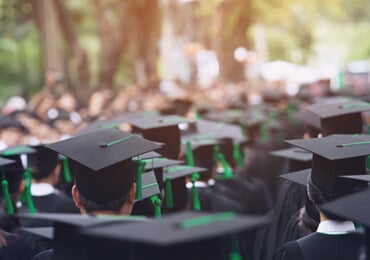





Graduation day looks polished from the audience.
Students walk across the stage, families cheer, photos are taken, and the ceremony moves forward as planned.
What most people do not see are the dozens of small problems schools are quietly solving behind the scenes all day long.
Because every graduation season, many of the same student mistakes happen again:
- ✔ Forgotten tassels.
- ✔ Missing caps.
- ✔ Late arrivals.
- ✔ Wrong shoes.
- ✔ Incorrect regalia.
- ✔ Dead phones.
- ✔ Lineup confusion.
- ✔ Lost tickets.
- ✔ Dress code issues.
- ✔ Parking delays.
None of these problems usually happen because students are careless.
Graduation days are emotional, busy, and overwhelming. Students are balancing excitement, nerves, family expectations, photos, schedules, and major life transitions all at once.
Over time, schools have learned to anticipate these issues and build systems around preventing them before they disrupt the ceremony.
This guide explores some of the most common graduation day mistakes students make — and how schools try to minimize the chaos behind the scenes.
Arriving Later Than Expected
One of the most common graduation-day issues is students underestimating how early they actually need to arrive.
Many students assume:
“If the ceremony starts at 6:00 PM, arriving at 5:45 PM should be fine.”
In reality, schools often require students to arrive 60–90 minutes early for:
- ✔ Check-in.
- ✔ Lineup organization.
- ✔ Regalia adjustments.
- ✔ Seating assignments.
- ✔ Rehearsal instructions.
- ✔ Name card verification.
Late arrivals create stress not only for the student, but for lineup coordinators and ceremony timing overall.
This is why schools repeatedly send reminder emails, text alerts, and graduation-day schedules during the final weeks before the ceremony.
Forgetting Tassels, Caps, or Honor Cords
This happens far more often than people realize.
Students commonly leave:
- ✔ Tassels in the car.
- ✔ Caps at home.
- ✔ Honor cords in dorm rooms.
- ✔ Stoles with family members.
- ✔ Diploma covers backstage after photos.
Schools often prepare backup inventory specifically because these mistakes happen every year.
Many coordinators also recommend students pack all graduation items together the night before instead of gathering them separately on graduation day.
Wearing Shoes That Become Impossible to Walk In
Graduation ceremonies usually involve much more walking than students expect.
Campuses, stadiums, and venues often require:
- ✔ Long walks.
- ✔ Staircases.
- ✔ Standing for extended periods.
- ✔ Uneven outdoor surfaces.
- ✔ Crossing stages safely.
Every year, schools deal with:
- ✔ Broken heels.
- ✔ Students unable to walk comfortably.
- ✔ Falls on stairs or stage ramps.
- ✔ Foot pain delaying lineup movement.
Many schools quietly recommend block heels, comfortable dress shoes, or backup walking shoes for this reason.
Practicality matters more on graduation day than many students initially expect.
Ignoring Weather Conditions
Students often prepare for photos but not necessarily for the actual environment.
Outdoor graduations regularly create issues involving:
- ✔ Heat exhaustion.
- ✔ Wind affecting caps and gowns.
- ✔ Rain delays.
- ✔ Makeup melting in extreme temperatures.
- ✔ Cold evening ceremonies.
- ✔ Sun exposure during long waits.
Schools increasingly prepare water stations, indoor holding areas, weather contingency plans, and communication updates because these issues happen so frequently.
Graduation day may look formal, but it is still an outdoor event for many schools.
Not Understanding Lineup Procedures
One of the fastest ways ceremonies become delayed is student lineup confusion.
Common mistakes include:
- ✔ Standing in the wrong order.
- ✔ Leaving lineup areas unexpectedly.
- ✔ Missing name-card checks.
- ✔ Entering the wrong procession line.
- ✔ Returning late from photos or restrooms.
This is why schools usually assign:
- ✔ Faculty marshals.
- ✔ Student volunteers.
- ✔ Section coordinators.
- ✔ Printed lineup cards.
The larger the graduating class becomes, the more important lineup organization becomes behind the scenes.
Bringing Too Many Personal Items
Students often arrive carrying:
- ✔ Large bags.
- ✔ Extra clothes.
- ✔ Food and drinks.
- ✔ Gifts from family members.
- ✔ Multiple phones or cameras.
The problem is that there is usually nowhere secure to store these items during the ceremony.
Schools frequently encourage students to bring only essentials because:
- ✔ Backstage areas become crowded quickly.
- ✔ Personal items get misplaced easily.
- ✔ Security procedures may restrict certain belongings.
- ✔ Students forget items during transitions.
Simple preparation reduces unnecessary stress later.
Not Charging Phones Before Graduation
Phones are essential on graduation day for:
- ✔ Family communication.
- ✔ Parking coordination.
- ✔ Photography.
- ✔ Ticket access.
- ✔ Emergency updates.
- ✔ Livestream sharing.
Yet every year, many students arrive with nearly dead batteries after spending hours taking photos beforehand.
Schools increasingly remind students to:
- ✔ Fully charge devices.
- ✔ Bring portable chargers.
- ✔ Save important contacts ahead of time.
A dead phone may seem small, but it quickly becomes stressful during crowded events.
Underestimating How Emotional the Day Feels
One of the least discussed graduation-day realities is emotional overwhelm.
Students often experience:
- ✔ Anxiety.
- ✔ Family pressure.
- ✔ Stress about the future.
- ✔ Emotional exhaustion.
- ✔ Unexpected sadness or nostalgia.
Schools increasingly recognize that graduation is not only an operational event — it is a deeply emotional milestone.
That is why many schools now focus more intentionally on:
- ✔ Student support.
- ✔ Clear communication.
- ✔ Calmer staging environments.
- ✔ Organized ceremony flow.
- ✔ Reduced unnecessary stress points.
A smoother experience emotionally often starts with smoother logistics operationally.
Leaving Immediately After the Ceremony Ends
Many students assume graduation ends the moment they walk off the stage.
In reality, schools often still need students for:
- ✔ Diploma verification.
- ✔ Group photos.
- ✔ Regalia returns.
- ✔ Final instructions.
- ✔ Traffic coordination.
Large crowds leaving simultaneously can also create major parking congestion.
Schools frequently encourage graduates and families to remain patient during post-ceremony transitions because the operational side of graduation continues well after the final speech.
The Best Graduation Days Feel Organized Behind the Scenes
Most students never see how much planning schools put into preventing common graduation-day problems.
Behind every calm ceremony are teams preparing for:
- ✔ Missing regalia.
- ✔ Delayed arrivals.
- ✔ Parking overflow.
- ✔ Technical failures.
- ✔ Seating confusion.
- ✔ Student mistakes.
- ✔ Weather changes.
- ✔ Last-minute adjustments.
And the truth is, many of those backup plans exist because schools have experienced the same issues repeatedly over the years.
Graduation ceremonies are emotional, fast-moving, and unpredictable by nature.
The goal is not perfection.
The goal is helping students cross the stage feeling celebrated instead of stressed.
Final Thoughts
Graduation day mistakes happen at nearly every ceremony.
Students forget things. Schedules shift. Weather changes. Someone arrives late. Technology fails unexpectedly.
But the schools that create the best graduation experiences are usually the ones that prepare for these realities ahead of time instead of assuming everything will go perfectly.
Because successful graduation ceremonies are not built around avoiding every mistake.
They are built around handling those mistakes calmly when they happen.