






Graduation Cap and Gown History
Most people put on a cap and gown once, take a few photos, and never think about it again. But academic regalia has a long history, and it exists for a reason: it marks a major transition.
Graduation is a classic rite of passage. You enter the ceremony as a student, go through a formal moment of recognition, and return to the world with a new status. The clothing helps make that shift visible - for you, your family, and your community.

Why Do We Wear Caps and Gowns?
Academic regalia began in early European universities, where students and teachers often wore clothing influenced by religious and scholarly traditions. Many scholars were connected to the church, and long robes and hoods were practical in cold, unheated buildings.
Over time, what started as everyday academic clothing evolved into formal ceremonial dress. Today, the cap and gown function like a visual shorthand: they signal achievement, scholarship, and the completion of a major stage of education.
What regalia does in a ceremony:
- Creates a shared look that unifies the class
- Visually distinguishes graduates, faculty, and degree levels
- Makes the moment feel formal, official, and memorable
What it represents today:
- Recognition of academic work
- Connection to a long academic tradition
- A milestone worth documenting and celebrating
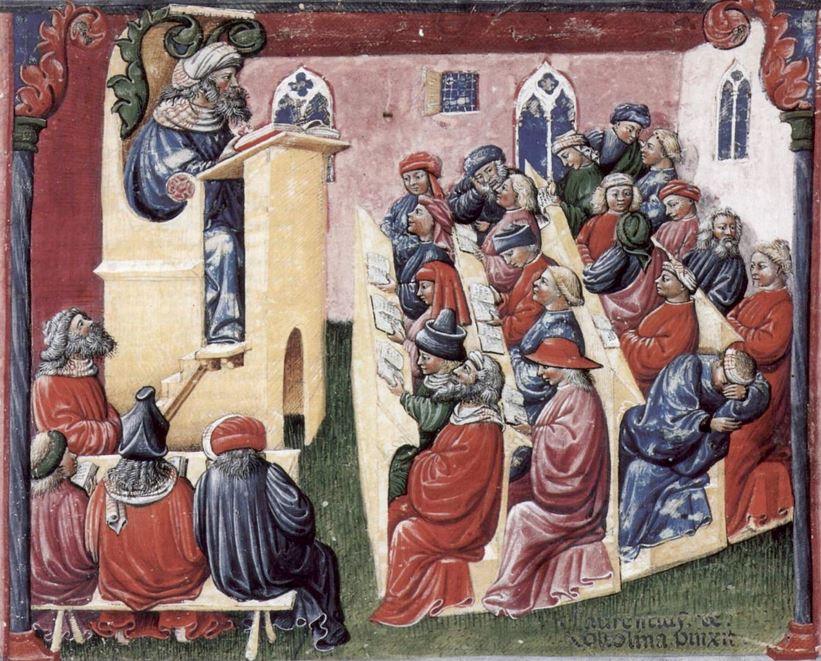
From Medieval Universities to Modern Ceremony
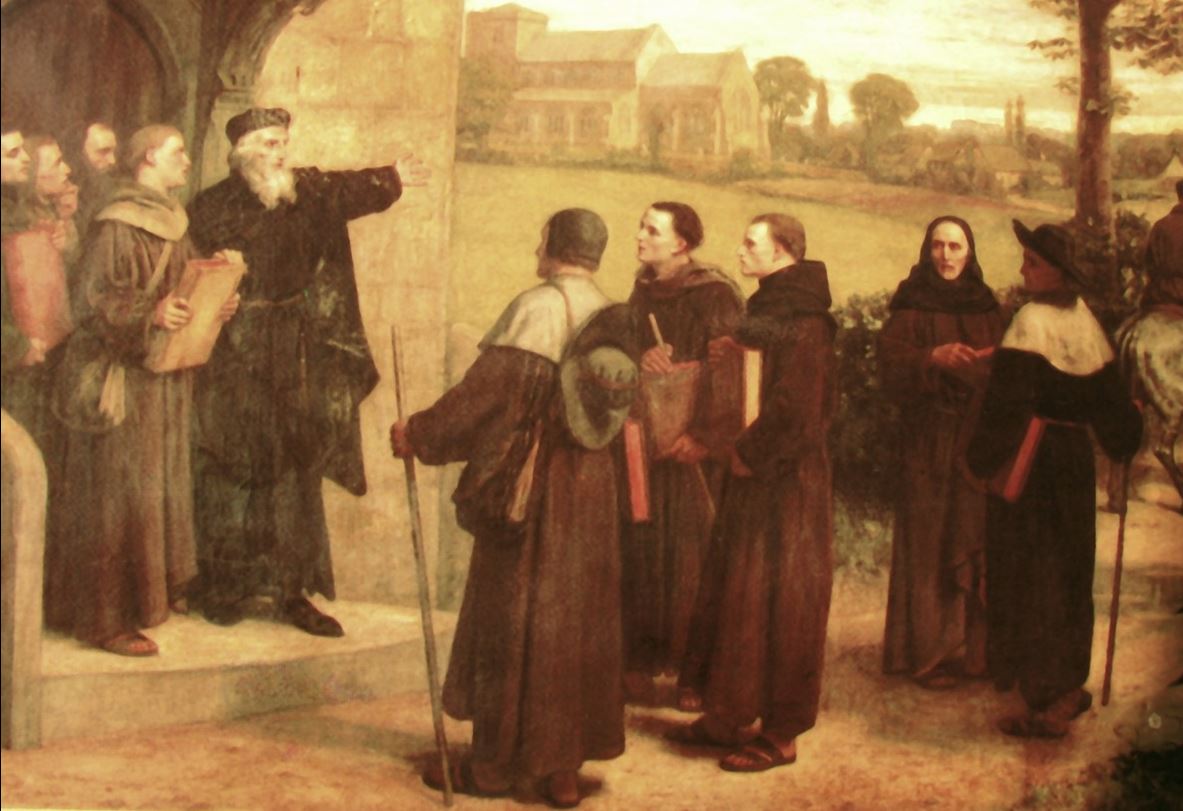
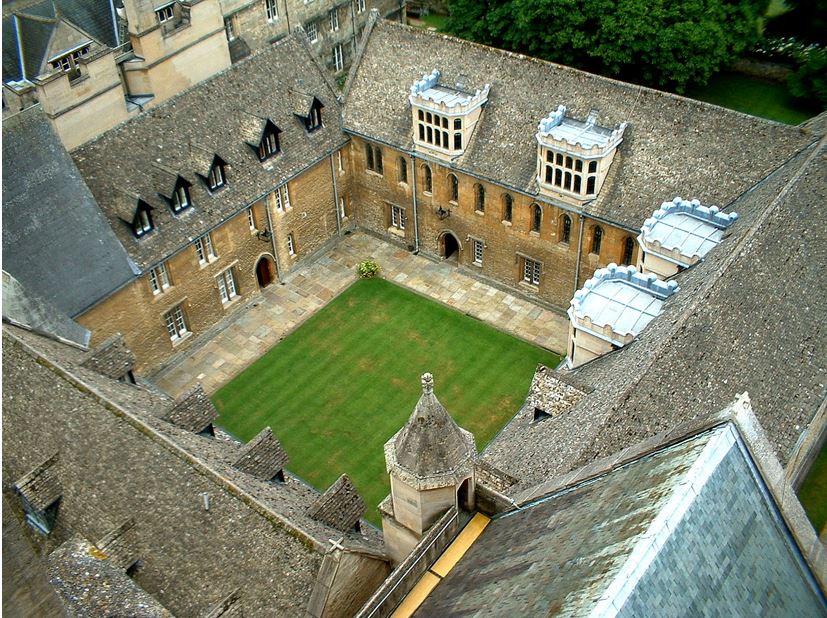
As universities became more established, academic dress became more regulated. Institutions like Oxford and Cambridge developed rules for what could be worn during formal academic occasions. The purpose was consistency, professionalism, and unity within the university.
The gown and hood became especially important as a way to visually distinguish roles and achievements. In many traditions, faculty and degree holders wear more elaborate regalia than undergraduate students, reflecting rank, field of study, or academic level.
The Mortarboard: Why the Square Hat?
The square academic cap (often called the mortarboard) is one of the most recognizable parts of graduation attire. Its exact origin is debated, but many historians link it to caps worn by scholars and clerics in earlier centuries, which gradually evolved into the flat, square style we see today.
The name “mortarboard” likely comes from the flat board used by bricklayers to hold mortar while working. Whether the square shape symbolized scholarship, tradition, or practicality, the look stuck - and it became widely accepted across modern educational institutions.

How Academic Regalia Became Standard in the U.S.
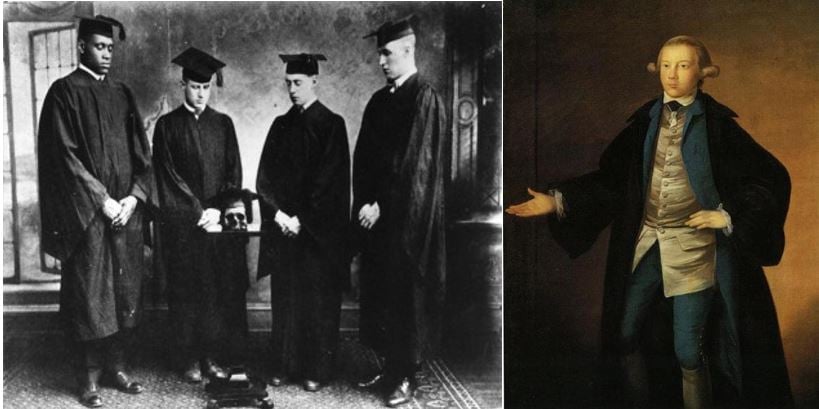
European academic traditions strongly influenced early American colleges. Over time, regalia became more closely tied to formal occasions, and eventually it became most associated with commencement and official academic ceremonies.
In the United States, academic dress also became more standardized, with consistent patterns for gowns and hoods used to signal degree level and field of study. Even if the materials and colors evolved, the purpose stayed the same: recognition and achievement, made visible.
Into the 20th Century - and Why It Still Matters
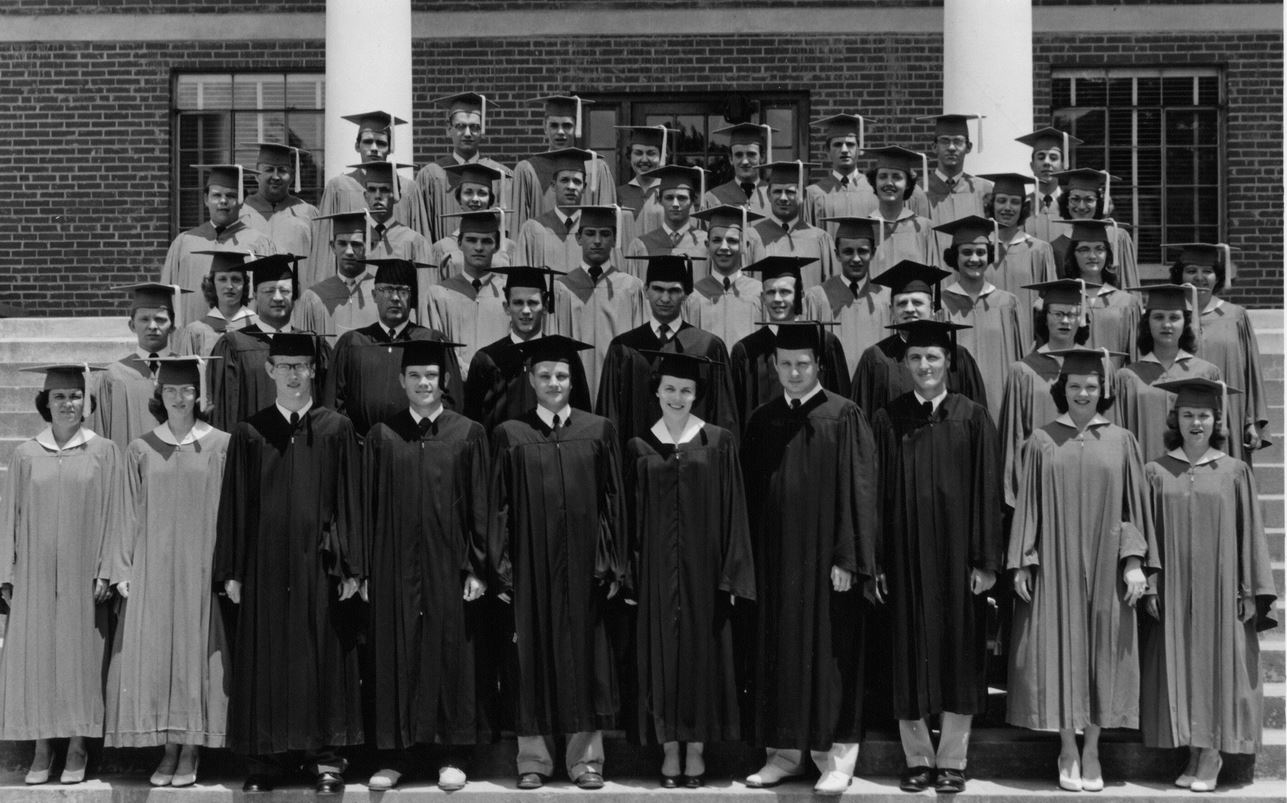
As graduation ceremonies expanded, schools began using more visible differences in regalia to represent institutions, honors, and degree levels. While older photos often show fewer color variations, modern ceremonies commonly use school colors, honor cords, and hoods to add meaning and identity to the graduation look.
The tradition has lasted because it does something important: it turns years of work into a moment you can see. The cap, gown, and hood create a clear symbol of completion - and for many graduates, that symbol is part of what makes graduation feel real.

Graduation cap and gown FAQ
Why do graduates wear caps and gowns? +
Caps and gowns come from early academic traditions where scholars wore robes and hoods. Today, regalia creates a formal, unified look that visually marks graduation as a major milestone and recognizes academic achievement.
What is a mortarboard? +
A mortarboard is the square academic cap most commonly worn at graduation. The term is often linked to the flat board used by bricklayers to hold mortar.
What do hoods represent at graduation? +
Graduation hoods are traditionally associated with advanced degrees. They help distinguish degree level and can include colors that represent a field of study or the institution.
Has graduation attire changed over time? +
Yes. The core elements have remained recognizable, but materials, colors, and degree-specific details have evolved. Many schools now use colors and accessories to reflect identity, honors, and academic level.