





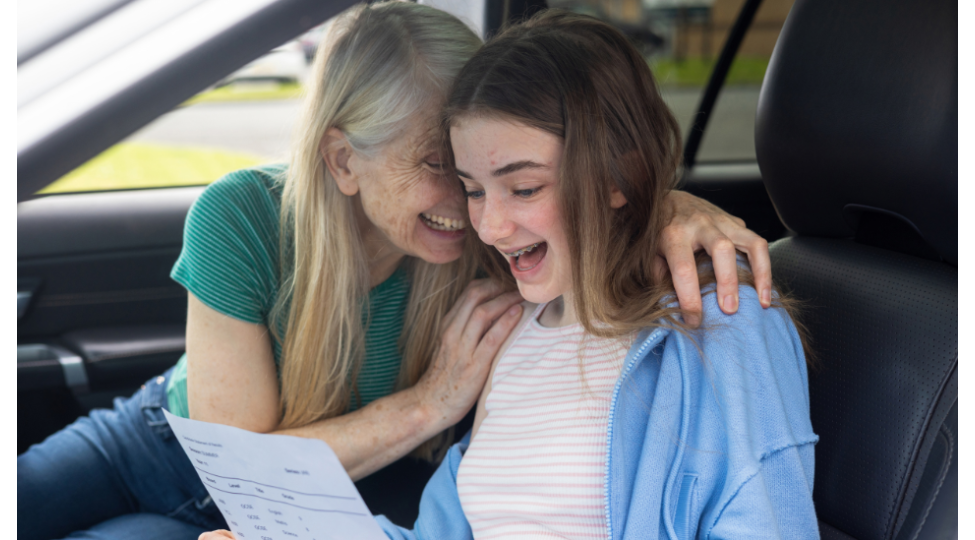
As parents, it's natural to pay attention to grades.
Report cards, test scores, and teacher feedback provide valuable insight into how children are progressing academically. They help identify strengths, uncover areas where additional support may be needed, and prepare students for future educational opportunities.
But if you ask most parents years after their child has graduated what they remember most about the school years, very few begin by talking about grades.
Instead, they remember the first school concert, the teacher who inspired a love of reading, the science project that covered the dining room table for a week, the excitement of making a best friend, or the handwritten note their child proudly brought home.
Academic achievement certainly matters, but it is only one part of a much bigger story. School is where children discover who they are, develop confidence, learn to navigate relationships, overcome challenges, and create memories that shape them for the rest of their lives.
The moments that seem ordinary today often become the ones families cherish most tomorrow.
School Helps Children Develop Skills That Last a Lifetime
Education is about much more than mastering mathematics, improving reading comprehension, or preparing for exams.
Every school day presents opportunities for children to develop life skills that cannot always be measured by a percentage or letter grade. They learn how to communicate with different personalities, solve disagreements respectfully, work toward shared goals, adapt when things don't go according to plan, and persevere through challenges.
These experiences happen naturally throughout the school day. Group projects teach collaboration. Classroom discussions encourage critical thinking. Recess helps children build friendships and resolve conflicts. School performances develop confidence, while extracurricular activities introduce teamwork, leadership, and responsibility.
Long after specific classroom lessons have been forgotten, these skills continue influencing how students approach college, careers, and relationships throughout adulthood.
Confidence Is Built Through Everyday Experiences
Parents often think confidence comes from major accomplishments.
In reality, confidence is usually built through hundreds of smaller experiences that happen throughout the school year.
A child who volunteers to answer a difficult question in class despite feeling nervous is building confidence.
A student who joins the school choir, auditions for a play, or tries out for a sports team is learning that growth often begins outside their comfort zone.
Even overcoming small setbacks—receiving constructive feedback on an assignment, learning from a mistake, or improving after extra practice—helps children develop resilience and self-belief.
These moments rarely receive the same attention as academic awards, yet they often have a greater impact on how children see themselves.
Parents play an important role by recognizing these victories. Celebrating effort, courage, kindness, and perseverance teaches children that success isn't measured solely by perfect results, but by a willingness to continue learning and growing.
Friendships Are One of School's Greatest Lessons
For many children, some of the most important learning happens outside formal lessons.
The friendships formed at school help children understand empathy, communication, compromise, and trust. They learn how to welcome new classmates, resolve disagreements, support friends during difficult moments, and celebrate each other's achievements.
These social experiences contribute significantly to emotional development.
Children who feel connected at school are often more engaged in learning, more confident in new situations, and more willing to participate in classroom activities.
Parents can encourage these relationships by asking about classmates, listening to stories about recess or lunch, and recognizing that conversations about friendships are every bit as valuable as conversations about homework.
The Adults Children Remember Are Often the Ones Who Believed in Them
Years after graduation, many adults can still name a teacher, coach, counselor, or school staff member who made a lasting difference in their lives.
It wasn't always because that person taught a particular subject.
Sometimes they simply took the time to encourage a struggling student, recognize hidden potential, or remind a child that they were capable of more than they realized.
Schools are filled with adults who quietly shape children's confidence every day.
Helping children appreciate these relationships also encourages gratitude and reminds them that learning is built on meaningful human connections as much as academic instruction.
Growth Doesn't Always Show Up on a Report Card
Academic performance provides useful information, but it doesn't capture every type of progress.
Consider the child who begins the school year feeling too shy to speak in front of classmates but confidently delivers a presentation by spring.
Or the student who struggles with organization in September but learns to manage assignments independently by the end of the year.
Another child may discover a passion for music, robotics, art, or engineering that completely changes how they see themselves.
These milestones may never appear on an official transcript, yet they represent significant personal growth.
Parents who recognize these moments help children understand that learning isn't limited to academic achievement. It's also about becoming more capable, more independent, and more confident with each passing year.
Preserve the Memories That Tell the Full Story
Many families carefully save report cards and standardized test results.
Those documents certainly have value, but they rarely capture the experiences that define childhood.
Instead, consider preserving memories that reflect your child's journey through school.
Keep photographs from school events, concert programs, artwork, science fair projects, certificates, class photos, handwritten notes, and stories about meaningful moments throughout the year.
Years later, these keepsakes often spark conversations that grades alone never could.
Our guide, The School Year Goes Faster Than You Think: Small Moments Worth Remembering, shares practical ideas for preserving these everyday memories before they become treasured milestones.
Success Looks Different for Every Child
Every child enters the classroom with different interests, personalities, and strengths.
Some naturally excel in mathematics or science, while others thrive in creative arts, athletics, leadership, or problem-solving.
Comparing children to classmates—or even siblings—can unintentionally shift the focus away from individual growth.
Instead, parents can encourage children to measure success against their own progress.
Has your child become more confident than they were last year?
Have they become more responsible?
More curious?
More willing to try something difficult?
These questions often reveal growth that grades alone cannot measure.
Helping children appreciate their own progress encourages a healthier relationship with learning and builds confidence that lasts well beyond the classroom.
The Ordinary Days Become the Memories Families Treasure Most
Parents naturally celebrate major milestones such as awards ceremonies, school performances, and graduation.
Yet many families discover that the memories they miss most are the ordinary ones.
The conversations on the drive home from school.
Helping with homework around the kitchen table.
Packing lunches together.
Watching a child proudly carry home an art project.
Listening as they excitedly describe something new they learned that day.
These moments may not seem extraordinary while they're happening, but together they become the foundation of childhood memories.
As the school years pass, families often realize that these everyday routines were just as meaningful as the biggest celebrations.
Every Small Moment Leads to Graduation
Graduation is often viewed as the destination.
In reality, it's the celebration of thousands of moments that came before it.
Every encouraging teacher.
Every friendship.
Every challenge overcome.
Every lesson learned.
Every first day of school.
Every act of perseverance.
Every small step contributes to the person who eventually walks across the graduation stage.
When parents recognize and celebrate these moments throughout the journey, graduation becomes more than a ceremony—it becomes a reflection of years of growth, learning, and shared experiences.
If you're looking for ways to create meaningful family traditions throughout those years, our article Back-to-School Traditions for Every School Stage: From Preschool to College offers simple ideas that help families celebrate each new chapter together.
You may also enjoy What Parents Can Do Before Fall Gets Busy, which shares practical ways to protect family time and make space for the moments that matter most during the school year.
Final Thoughts
Grades will always play an important role in education, but they are only one measure of a child's development.
The friendships they build, the confidence they gain, the kindness they show, the resilience they develop, and the memories they create all contribute to who they become.
As parents, it's easy to focus on the measurable achievements because they're easy to track.
The quieter moments often require us to slow down and notice them.
Yet those moments—the conversations after school, the first successful presentation, the encouraging teacher, the new friendship, the laughter at the dinner table—are often the ones that remain with families long after childhood has passed.
Years from now, your child may not remember every test score or every assignment.
But they will remember how school made them feel, the people who believed in them, and the parents who celebrated not only what they achieved, but who they were becoming along the way.