





Summer break is the perfect time to keep learning fun, low-pressure, and part of everyday life.
The goal is not to recreate school at home. It is to keep curiosity alive, build confidence, and weave learning naturally into everyday experiences. With the right mix of structure and freedom, summer can strengthen academic skills while still feeling like a break. Below are eight flexible, parent-approved activities designed to spark curiosity and make learning stick without worksheets or stress.

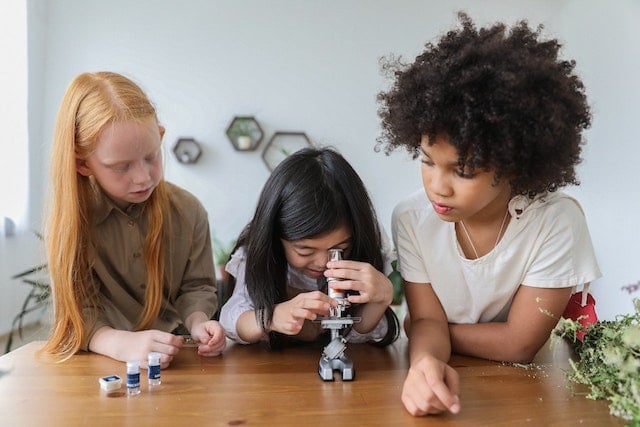
A simple summer learning rhythm that actually works
If summer learning feels overwhelming, simplify it. Short, repeatable routines outperform ambitious plans. This three-part rhythm fits into almost any day and keeps momentum without burnout.
10 minutes of reading
Read together, listen to an audiobook, or allow independent reading based on interest.
10 minutes of hands-on learning
Cook, build, explore outdoors, experiment, or create something tangible.
2 minutes of reflection
Use a simple reflection: three things noticed, two things learned, one question to explore next.
Parent tip
Aim for consistency, not perfection. Most days is enough. Curiosity compounds faster than checklists.
Reading adventures that do not feel like homework
Reading thrives when kids feel ownership. Let them choose topics they genuinely enjoy, then elevate the experience with conversation rather than quizzes.
Ways to make reading fun
- Create a reading picnic with snacks and a blanket
- Start a family read-aloud chapter book at night
- Alternate pages during shared reading time
Questions that deepen understanding
- What part stood out most and why?
- What do you think will happen next?
- If you could change one thing, what would it be?
Simple science experiments with everyday materials
Hands-on science turns curiosity into discovery. Simple experiments encourage prediction, observation, and problem-solving without requiring special equipment.
Kitchen chemistry
Mix ingredients and observe reactions while discussing cause and effect.
Plant growth tracking
Grow something small and document changes through drawings or photos.
Forces and motion
Build ramps, test objects, and compare speed, distance, and friction.
Ask better questions
- What do you predict will happen?
- What changed when we tried it another way?
- How could we test that idea?
Museum visits powered by curiosity
Museums build background knowledge effortlessly. The key is slowing down and letting kids lead the exploration instead of rushing through exhibits.
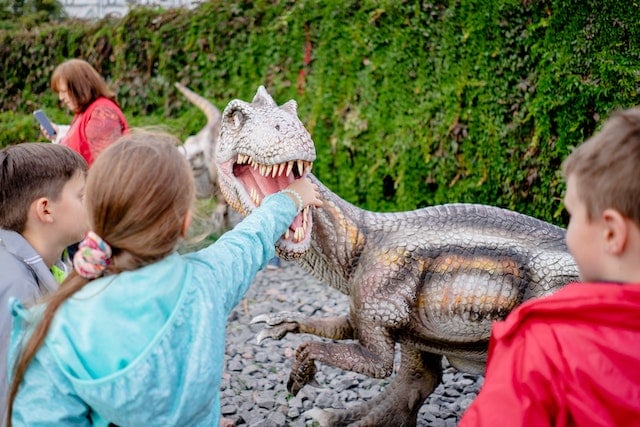
The pick-three rule
Each person chooses three exhibits to explore deeply. No rushing. No pressure to see everything.
Conversation starters
- What surprised you?
- What do you think this was used for?
- If you could take one thing home, what would it be?
Nature walks with a simple journal
Nature encourages observation and curiosity. A notebook and pencil turn a short walk into science, art, and writing combined.
What to record
- Sketch one plant or insect
- Write three descriptive words
- Note the weather and changes noticed
- Add one question to explore later
Mini challenges
- Find three different leaf shapes
- Spot five shades of green
- Listen for four different sounds
- Look for repeating patterns
Cooking together as real-world learning
Cooking blends math, reading, and science seamlessly. Measuring, sequencing, and observing changes all happen naturally in the kitchen.
Math skills
Double or halve recipes and compare measurements together.
Reading skills
Highlight sequence words like first, next, then, and finally.
Science skills
Discuss heat, mixing, dissolving, and physical changes.
Creative writing that feels like play
Writing grows when it feels safe and playful. Short bursts of creativity build fluency and confidence without pressure.
Easy writing prompts
- Invent a new sport and explain the rules
- Write a story about a mysterious map
- Describe your perfect day using all five senses
- Write a letter to your future self
Creative twists
- Set a five-minute writing timer
- Draw first, then write the story
- Create a comic strip with captions
- Tell the story from a pet’s perspective
Math games that build real understanding
Games strengthen number sense, logic, and strategy. Asking kids to explain their thinking deepens learning far more than worksheets.
Card and dice games
Practice addition, subtraction, and comparison naturally.
Estimation challenges
Guess quantities, then count and reflect on accuracy.
Everyday math
Budget a snack run, plan a trip, or track daily temperatures.
Virtual field trips with reflection
Virtual experiences work best when paired with reflection. A few thoughtful questions turn screen time into meaningful learning.

Popular themes
- Space and planets
- Ancient history
- Art and design
- Animals and ecosystems
Reflection prompt
- Three things you noticed
- Two facts you learned
- One question to explore next
A summer that builds skills and memories
Summer learning does not need to be complicated. Choose two activities, repeat them weekly, and keep expectations realistic. Curiosity, confidence, and connection grow fastest when learning feels natural and enjoyable.

Try this this week
Pick one activity from this list and do it once. End with the three-thing reflection. Small moments compound into lasting learning.