




Graduation photos aren’t just pictures. They’re proof of everything it took to get here.
And yet, this is where things quietly go wrong. Stiff poses. Awkward smiles. Wrinkled gowns. Harsh lighting. Photos that don’t feel like the moment they’re supposed to represent.
The difference between a photo you forget and one you keep for years isn’t the camera. Its intention.
This guide walks you through graduation photo ideas that actually work — not just visually, but emotionally — so your photos feel real, natural, and worth keeping.
Start With The Moment, Not The Pose
The biggest mistake graduates make is focusing too much on posing and not enough on presence.
The best photos are rarely the perfectly staged ones. They’re the ones where something real is happening — a laugh, a deep breath, a moment of reflection before everything changes.
Instead of asking, “What pose should I do?” start with:
- What do I want to remember from this moment?
- Who do I want in these photos?
- What does this milestone feel like to me?
When the moment is real, the photo follows.
The Classic Shots — Done Right
There are a few graduation photos everyone takes. The difference is in how you take them.
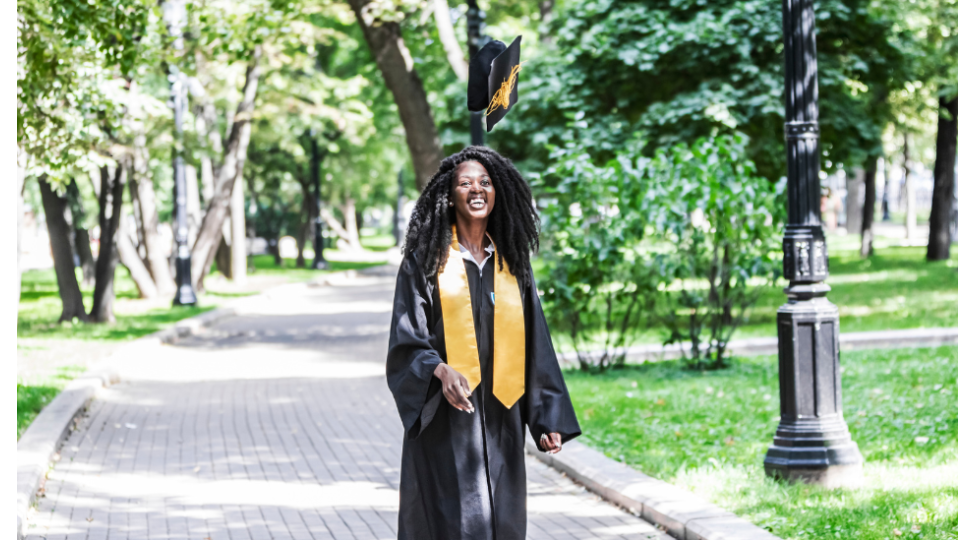
The Cap Toss
It’s iconic, but timing matters. Toss too early, and it looks forced. Toss too late, and you miss the shot. Do a few practice runs, and aim for a natural release — not a dramatic throw.
The Walk
Walking shots work best when you’re not thinking about the camera. Look slightly ahead, not directly into the lens. Let your movement be natural.
The Look Back
Turn slightly over your shoulder, not fully. This creates a softer, more natural expression instead of something staged.
These shots work because they’re simple. What makes them stand out is how relaxed you feel while taking them.
Where You Take The Photo Changes Everything
Location does more work than most people realize. You don’t need something complicated — you need something meaningful.
Strong location choices:
- Campus landmarks
- A quiet walkway or staircase
- A classroom or building that mattered to you
- Natural light areas like parks or courtyards
Avoid overly crowded or visually busy backgrounds. If the background is distracting, the moment gets lost.
Lighting Is The Difference Between Good And Unusable
You can have the perfect outfit and location — and still end up with poor photos because of lighting.
The best time to shoot is:
- Early morning
- Late afternoon (golden hour)
Avoid direct midday sunlight. It creates harsh shadows, squinting, and uneven tones.
If you’re indoors, stand near windows. Natural light will always outperform artificial lighting.
What You Wear Still Matters (Even Under The Gown)
Your outfit shows more than you think.
Shoes, sleeves, collars, and movement all affect how your photos look.
Keep it simple:
- Avoid overly busy patterns
- Choose colors that don’t clash with your gown
- Wear something you feel comfortable moving in
If you’re adjusting your outfit the entire time, it will show in the photos.
Don’t Skip The Details (They Show Up In Photos)
Small things make a big difference:
- Wrinkled gowns
- Crooked caps
- Tassels in the wrong position
- Loose hair or distracting accessories
Before taking photos, take five minutes to check everything:
- Smooth the gown
- Adjust the cap so it sits flat
- Place the tassel correctly
These small fixes elevate every photo without extra effort.
Take Photos With People Who Matter
Graduation isn’t just about the individual — it’s about the people who were part of the journey.
Photos with:
- Friends
- Family
- Mentors
Often become the most meaningful ones later.
The key is to keep them natural. Avoid rigid group posing. Let people interact, talk, and laugh. That’s where the best shots happen.
Capture The In-Between Moments
Some of the best graduation photos aren’t planned at all.
They happen:
- While fixing your cap
- While laughing between shots
- While waiting in line
- Right after the ceremony ends
These are the moments that feel the most real. Make sure your photographer (or whoever is taking photos) is ready to capture them.
What To Bring So Nothing Goes Wrong
A few simple items can save your photoshoot:
- Bobby pins (for securing the cap)
- Water (especially in warm weather)
- Comfortable shoes for walking between locations
- A small mirror for quick adjustments
These aren’t just extras — they prevent small problems from turning into distractions.
The Goal Isn’t Perfection — It’s Authenticity
The best graduation photos don’t look perfect; they look real. They reflect who you are at this exact moment — not just what you wore or where you stood, but how it felt to reach this milestone.
Years from now, you won’t remember the exact pose; you’ll remember the feeling, so make sure your photos capture that.