





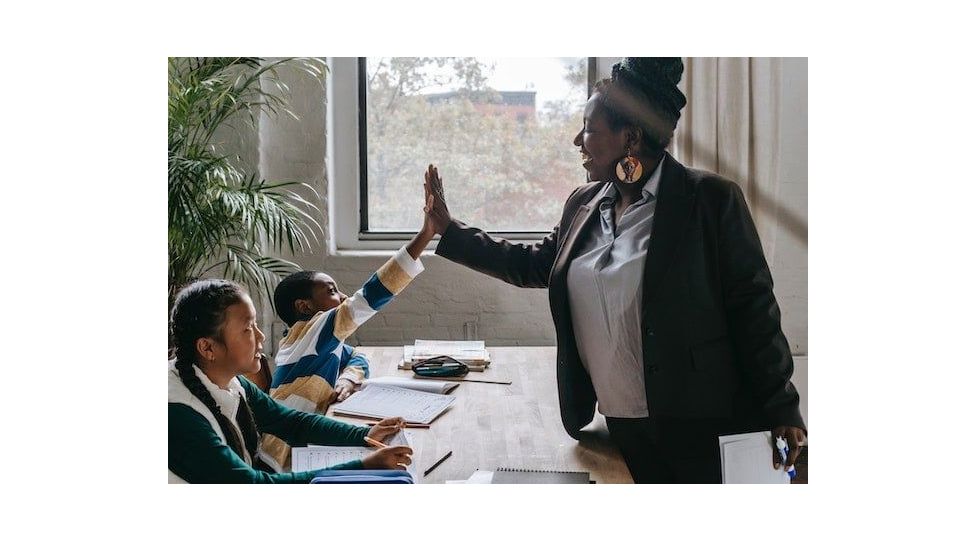
As the 2026 school year begins, educators have an exciting opportunity to create classrooms that feel alive—spaces where students are not just present, but truly engaged.
In today’s fast-changing educational landscape, engagement doesn’t happen by accident. It’s designed. It’s intentional. And it’s built through strategies that invite students into the learning experience.
Here are ten powerful strategies to help you build a classroom where participation, curiosity, and growth thrive.
1. Embrace Technology
Integrate modern tools and educational apps to create interactive learning experiences that meet students where they are.
2. Personalize Learning
Recognize that each student learns differently. Tailor instruction to match individual needs, interests, and learning styles.
3. Use an Active Learning Approach
Encourage participation through discussions, debates, hands-on activities, and problem-solving exercises that keep students involved.
4. Incorporate Gamification
Make learning fun and motivating by introducing game-like elements that reward progress and effort.
5. Connect Learning to the Real World
Tie lessons to real-life scenarios and current events so students can see the relevance of what they’re learning.
6. Encourage Inquiry
Create a curiosity-driven environment where students feel comfortable asking questions and exploring ideas deeply.
7. Foster Collaborative Learning
Build opportunities for students to work together, exchange ideas, and learn from each other.
8. Gather Student Feedback
Regularly ask for feedback to understand what’s working and where adjustments are needed. This helps students feel heard and valued.
9. Build a Positive Classroom Culture
Create a respectful, inclusive environment where students feel safe to express themselves and take academic risks.
10. Commit to Continuous Professional Development
Stay current with educational trends and invest in your own growth through workshops and learning opportunities.
Final Thought
The 2026 classroom is not just a place for instruction—it’s a space for transformation.
By combining innovation, empathy, and intentional design, educators can inspire students to become confident learners, critical thinkers, and active contributors to the world around them.