





Every October, National Bullying Prevention Month provides a vital platform to address the pervasive issue of bullying in schools. Educators play a pivotal role in creating a safe and inclusive learning environment where students can thrive. Let's explore different ways educators can help decrease bullying in the classroom and encourage students to appreciate each other's differences.
- Open Dialogue
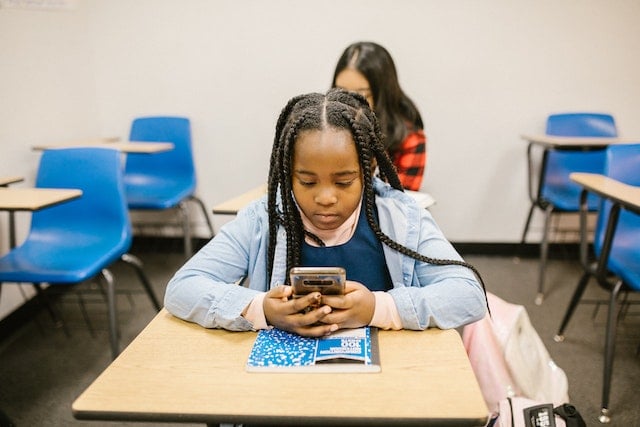
The first step in combating bullying is fostering open communication. Create a classroom culture where students feel safe sharing their concerns and experiences. Encourage them to express their feelings, report bullying incidents, and discuss issues related to diversity and inclusion. Regular class discussions can help students develop empathy and understanding.
- Implement Anti-Bullying Programs
Schools can adopt evidence-based anti-bullying programs to raise awareness and provide students with strategies to combat bullying. These programs often include workshops, seminars, and resources that help students recognize, prevent, and address bullying behavior.
- Promote Empathy
Teaching empathy is crucial in reducing bullying. Incorporate literature and activities that emphasize different perspectives, backgrounds, and experiences. Encourage students to step into each other's shoes, fostering a sense of understanding and compassion.
- Celebrate Diversity
Highlight the beauty of diversity by integrating culturally diverse content into your curriculum. Explore different traditions, cultures, and perspectives through books, films, and guest speakers. When students see the value in celebrating differences, they are less likely to engage in bullying behavior.
- Set Clear Expectations
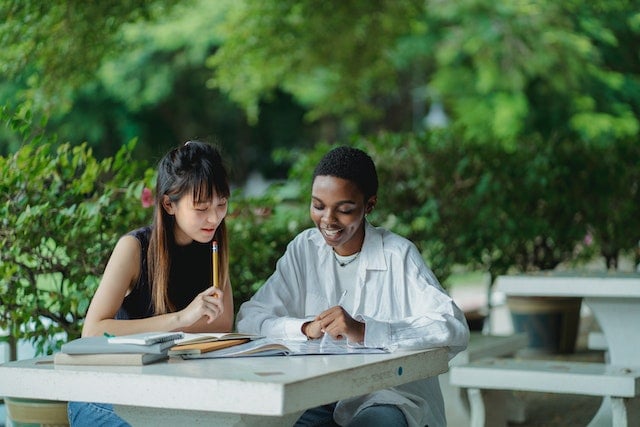
Establish clear classroom rules and expectations, including a zero-tolerance policy for bullying. Ensure that students understand the consequences of their actions and the importance of respectful behavior. Consistency in enforcing these rules is essential.
- Be a Role Model
Educators must lead by example. Model respectful behavior, kindness, and inclusivity in your interactions with students and colleagues. Your actions can set the tone for the entire classroom and school.
- Peer Support
Encourage students to be allies for one another. Teach them how to intervene when they witness bullying and provide them with strategies to support victims. Peer support can have a significant impact on reducing bullying.
- Personalized Support
Recognize that each student is unique and may require different forms of support. Pay attention to students who may be more vulnerable to bullying due to their individual circumstances and provide personalized guidance and assistance.
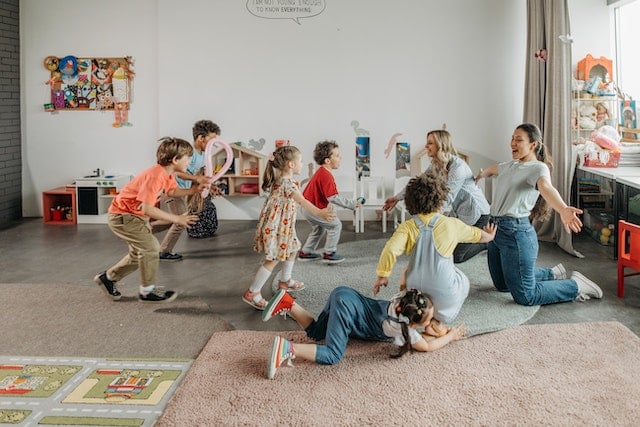
National Bullying Prevention Month serves as a reminder of the importance of creating a safe and inclusive learning environment for all students. By working together, educators and students can make their classrooms and schools places where differences are celebrated, and bullying has no place.